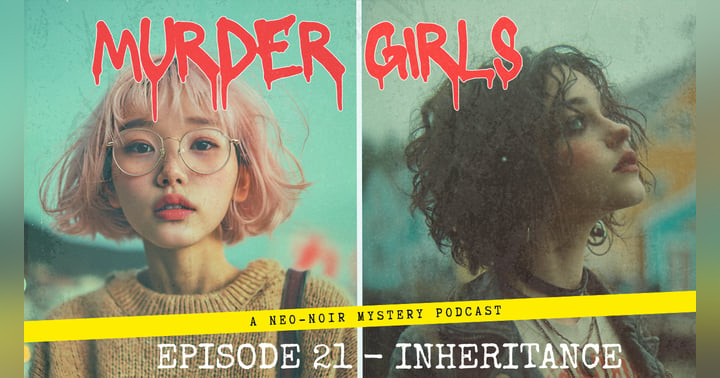
The DNA of Murder Girls
Murder Girls started as none of these things specifically, but you get the idea. After all, like stories, blog posts have to start somewhere, too.
A few years ago, I was working on a role-playing game campaign idea for teen-sleuth tabletop RPG Bubblegumshoe — a campaign about a scrappy, pulpy high-school murder mystery set in a small Pacific Northwest coastal town full of secrets. It was supposed to be twisty and turn-y and cinematic and fun. A little David Lynch, a little Scooby-Doo. But, you know, with dice.
As with most campaign ideas I have that aren’t for the “World’s Greatest Roleplaying Game,” it was resigned to a folder on my laptop, never to be seen or heard from again.
But the town — and the fuck-ton of notes about that town — had dug its foggy talons into me. I knew it would never be used as the foundation of a game, but what if that campaign turned into a TV pitch?
Well, as it so happens, that was an excellent way to completely derail the idea for a while. Coming up with teen sleuths and a mystery that made sense was not exactly jumping out of my imagination and onto the page.
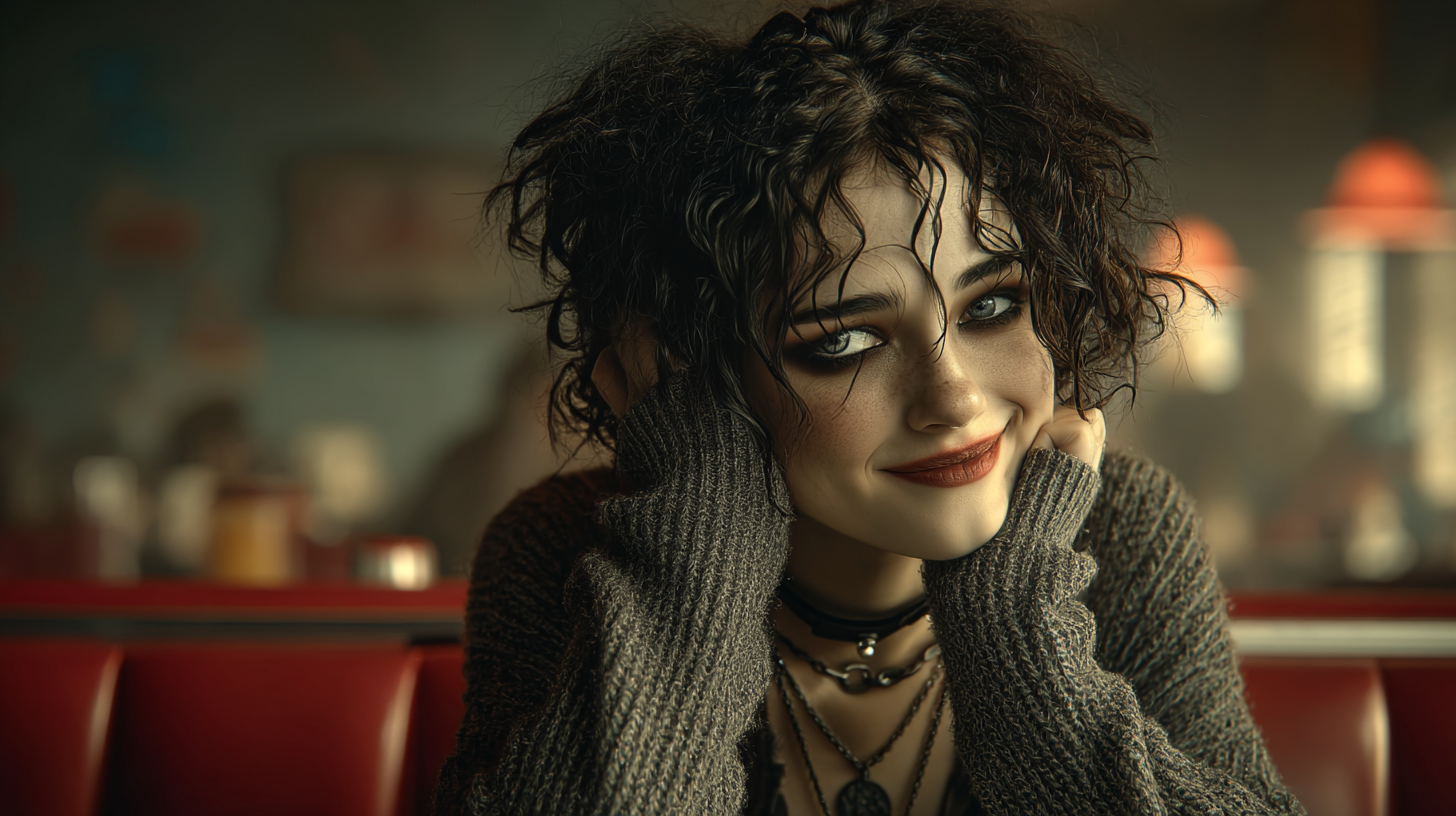
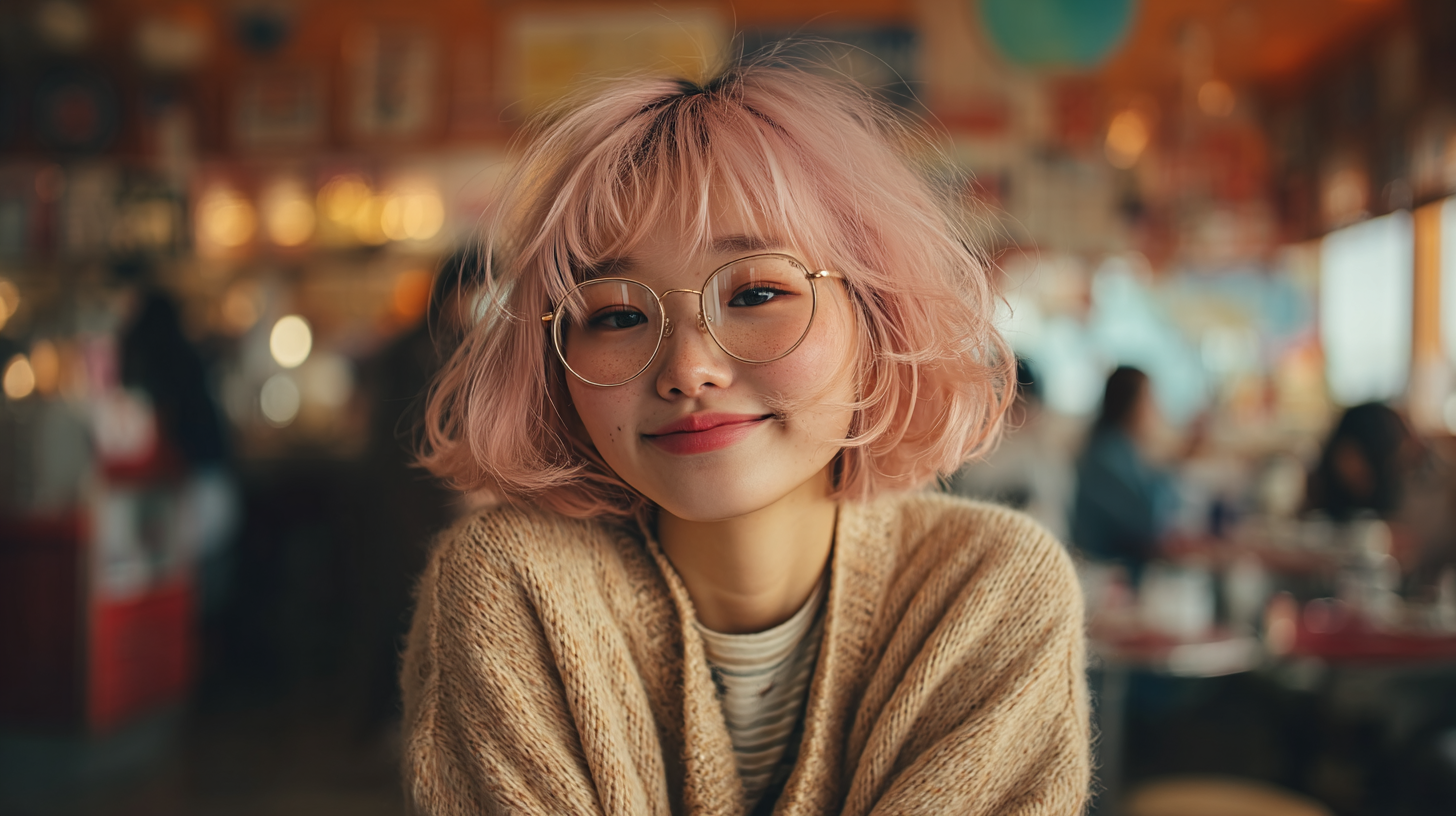
But then I came up with them… Mags & Amy.
Well, it was more like they kept showing up. More and more, louder and more vivid. They had originally been part of the high-school kids the Bubblegumshoe players were supposed to maybe suspect and follow and question and all of that sleuthy stuff.
But Marguerite and Amethyst just wouldn’t go away — they jumped right off the page, actually. So, when I started to think about the story as a TV show, they made a really strong pitch to be the leads.
And, in fact, they made a brilliant suggestion:
How about the heroes aren’t high-school student sleuths?
How about the heroes were high-school student sleuths — and now they’re in their 20s and… well… you get the idea.
The TV pitch… well, I wrote a pilot, made a pitch deck, did all that sort of stuff — but eventually the TV thing turned into this thing — a podcast I record on my own, at home, surrounded by too much coffee and far too many notes that say things like “fishing industry pariahs” and “trailer park sauce”.
Avalon Falls — the setting for all this — is a composite of every moody small town I’ve ever loved (and hated). It owes pieces of itself to Twin Peaks, Veronica Mars, Life Is Strange, Dark — the list goes on and on — and even includes some real places, real people.
As for Murder Girls as a whole, the pop-culture list of ingredients goes on and on and gets really weird when you dig right in and start listing media that has actually influenced characters and moments and moods in whole or in part. That’s something I can unpack in another post sometime I think. I suppose everything is a Frankenstein’s monster somewhere down the line. (Well, everything except probably Frankenstein, which seems pretty singular for its time — at least as far as a dumb-dumb such as myself sees it.)
Murder Girls grew out of a lot of things besides ’70s and ’80s teen-sleuth mysteries and Smiths albums — grief, mostly, but also friendship, love, obsession, and the constant need to make something out of chaos. It’s about two people who never quite got over what happened to them and a town that refuses to stop reminding them. It’s also about the ways we use stories to make sense of things we can’t fix.
Over time, the tone got darker. Then lighter. The victim changed (a few times, actually). The murderer, too. But at its core, it’s still about connection — two people looking at each other through all the static and saying, “You see this too, right?”
I suppose that sort of connection is one of the strongest kinds there is.
See you in the fog.
— EternalTeenager
Creator, Writer, Producer
I’m a writer, producer, and storyteller obsessed with the blurred lines between memory, technology, and the stories we tell to survive. My work lives at the intersection of noir, surrealism, and emotional realism — grounded in human experience, expanded through AI.
I am a real human person, despite lazy and kinda-frankly scary intense and fabricated reports to the contrary. (Can't believe I have to write that.)
AI is my toolset, not my stand-in. I write and direct every episode, compose the music, and shape the voices and atmosphere myself — not because I have a studio behind me, but because I don’t. I use AI voices, composition, and design not to replace artists, but to make work that otherwise couldn’t exist. I believe creative tools should amplify individual vision, not erase it — and that the future of storytelling belongs to those who treat technology as a brush, not a shortcut.
Murder Girls is a fiction podcast that is part mystery, part heartbreak, and part love letter to the strange, stubborn act of caring when the world tells you not to.
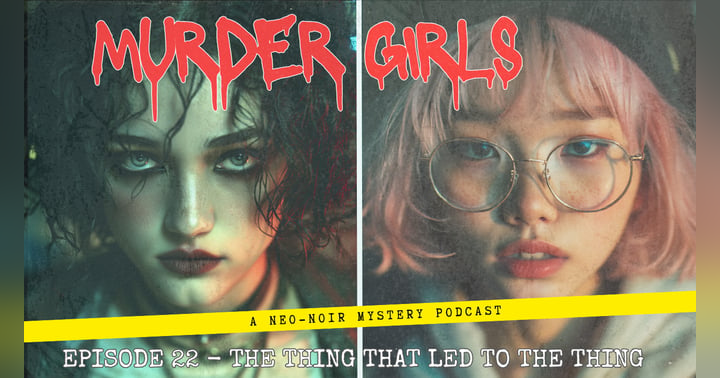
Preview of Episode 22: The Thing that Led to the Thing